
It feels weird to say this now, but I used to completely avoid knitting with wool. I was a vegan knitter who, to be honest, had no idea that wool is arguably the best yarn for knitting and hadn’t fully educated herself properly, and I thought acrylic was pretty much my only option whenever I was choosing yarn for a knitting project.
If you’re a regular here on the Baa! blog, you’ll have heard about the Novice Cardigan ‘incident’. It’s mentioned here in Knitting Advice Every Knitter Needs To Hear (scroll to somewhere within no.2), but basically, I spent months knitting up a couple of Chunky Novice Cardigans by PetiteKnit in Stylecraft Special Chunky, only to end up in a big fat woolly (or should I say not plastic?) hole of disappointment.
The cardigans were lumpy and bumpy, as they usually look when they’re fresh off the needles, but because they were acrylic, blocking them to make them a bajillion times better was not an option, and so there was nothing I could really do about those ‘wasted’ hours and hours and HOURS.
Anyway, long story short, I very quickly became a convert to wool, and suddenly a whole woolly world became available to me.
Now, don’t get me wrong, whilst I am a big advocate of knitting with wool, as this list will attest to, I am not naive enough to think that it is the best fibre for every single project. A bargain ball of acrylic might be your preference for a baby cardigan that is very likely going to be vommed over (at the very least) and need to be machine washed frequently (and without panicking about it needing to go on a wool wash programme), a linen/cotton blend or a silk yarn is beautiful for summery tops with a bit of drape, and straight up cotton is brilliant for crocheting cute little amigurumi toys like these just here.
But as a general rule, wool is now pretty much exclusively at the top of my list when it comes to choosing a yarn for my knitting projects, so why do I hold it in such high regard? Well, friend, I’m glad you asked. Here’s a list of reasons why I think wool is the best yarn for knitting with:
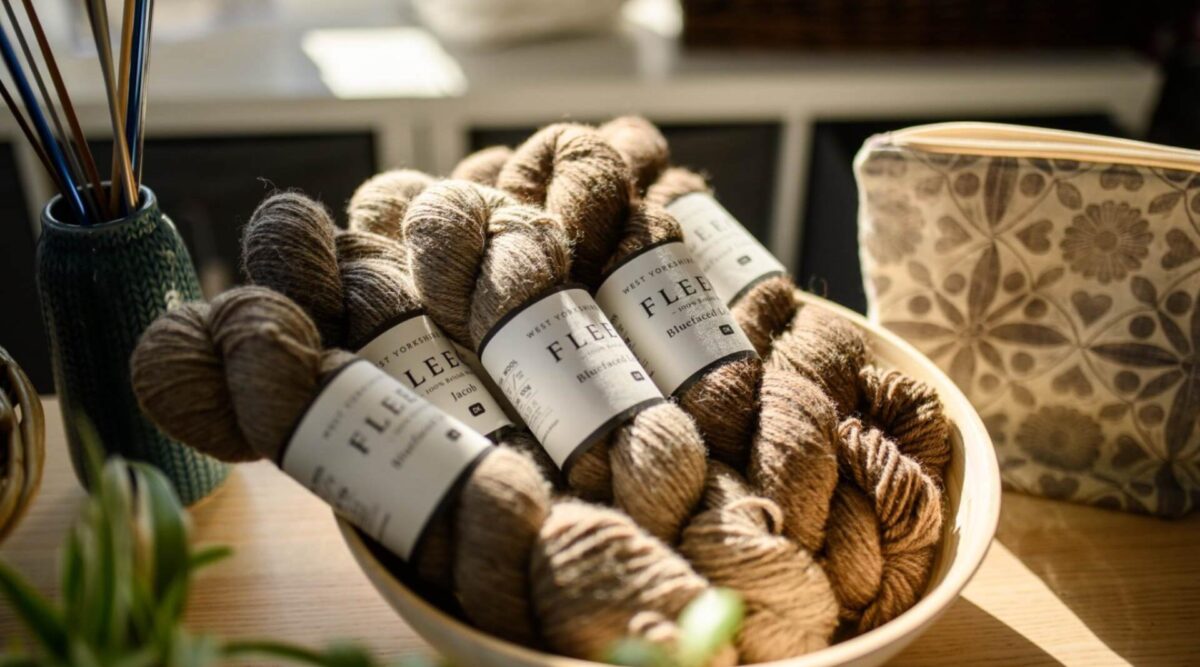
Before we get into the results of choosing wool for your knitting project, I just want to comment on the knitting itself. See, wool has a natural elasticity, a bit of give, that makes knitting feel good. The stitches glide easily needle to needle, but aren’t so slippery that you lose a couple every time you put your WIP down. It’s easier on your hands; your tension is easier to maintain and, if you drop a stitch, wool is far more likely to hold it there to wait patiently for you to pick it back up rather than running away down the fabric.
That elasticity I mentioned also means your finished fabric has memory. A handknit jumper made using wool will spring back to shape after wearing, rather than going a bit baggy at the elbows or sagging at the shoulders. You can think of it like hair. You can straighten your curly hair, but as soon as you wash it, it will spring back to its original curl. Wool works a bit like that.
Wool yarn is breathable. The actual structure of the fibres themselves is specifically suited to managing temperature, which means it will keep you warm when it’s cold and cool when it’s warm. Wool fibres are hollow and can absorb a significant amount of moisture vapour (up to 30% of their own weight) without feeling wet. That moisture is drawn away from your skin, and as it evaporates, it helps regulate your body temperature.
It naturally works with your body, which is why wool has been used for centuries for everything from classic fishermen’s jumpers to mountaineering gear.
Maybe I’m lazy, but I’m a big fan of this. I’ve said this before, but I probably wash my woollen handknits about once a year, usually in the middle of the heatwave so they dry as quickly as possible. Sounds a bit gross, but wool actually repels dirt and is highly resistant to odours, which means your handknit items don’t need to be washed as much as their M&S counterparts.
It’s also naturally water-resistant, which is also why it’s been used for fisherman jumpers. Traditional ganseys have been protecting fishermen from the elements, keeping them warm and (relatively) dry. So if you get caught in a shower on your way home in the middle of October, it’s not the end of the world.
The majority of wool fibres come from sheep, and those fellas need to be sheared every year. This in itself makes wool a genuinely renewable material and, obviously, provided the sheep are well looked after, is something that needs to happen to keep the sheep happy.
Wool is also biodegradable. It lasts for years to begin with, but once your favourite wool garment finally reaches the end, it breaks down naturally rather than sitting in landfill for hundreds of years. (It also means you can chuck your yarn ends on the compost heap – ain’t that cool?)
I’ve touched on it at various points, but I do think this is one of the biggest benefits of knitting with wool. Wool is proper nice so long as you look after it. Super soft fibres, like alpaca, can pill a lot at first, but with a bit of time it’ll pill less and less. Unlike cotton, which stretches, it springs back into shape and doesn’t end up going saggy or baggy as you wear it throughout the day. A handknit jumper can be worn for decades.
Wool is way easier to mend than synthetic fibres, too and can be darned and mended, revitalised, and resurrected. Visible mending is becoming more and more popular now, so even a poor moth-eaten jumper can be a part of your handmade wardrobe for, well, a really, really long time. In a world full of fast fashion and the likes of flippin’ Temu and Shein, that feels important.
And if you have a handknit sweater that you’ve really fallen out of love with, you can frog it (unravel it) and knit it up into something else entirely!
I started talking about the knitting process, so it makes sense to (almost) finish with the final results. Wool blocks like a dream, better than almost any other fibre. A short soak in some warm water and a few pins to shape accordingly will transform even the most lumpy, bumpy cardigan into a beautifully smooth fabric that looks a bajillion times better. It’s forgiving; you can manipulate it to the shape you want, so if you find you’ve lost a game of yarn chicken a centimetre short, you can pin that baby out to the length you want, let it dry and it’ll do what it’s told to do. Cracker.
Alright, I kinda already made this point, but we really, really do. It feels good, and there are loads of different types of wool (which I’ll leave to another blog post); some you will love more than others, but I think they all have their charm. Knitting with cashmere, for instance. Such a pleasure. But there’s also something appealing about a gritty Lettlopi that’s proper grippy and super woolly.
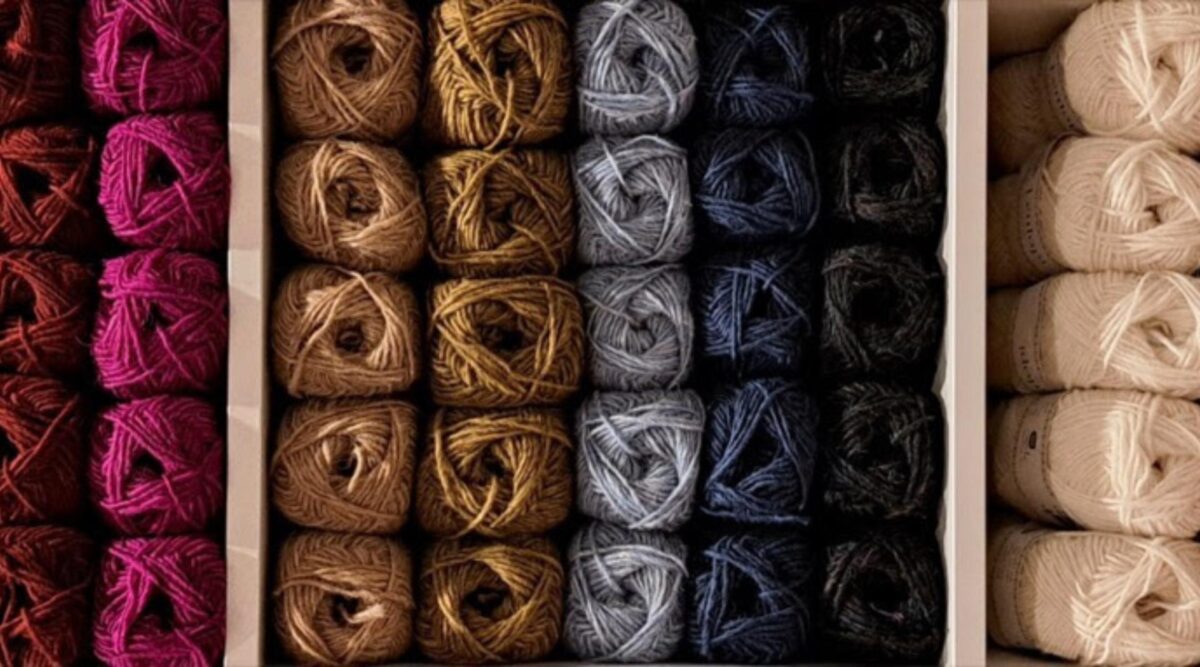
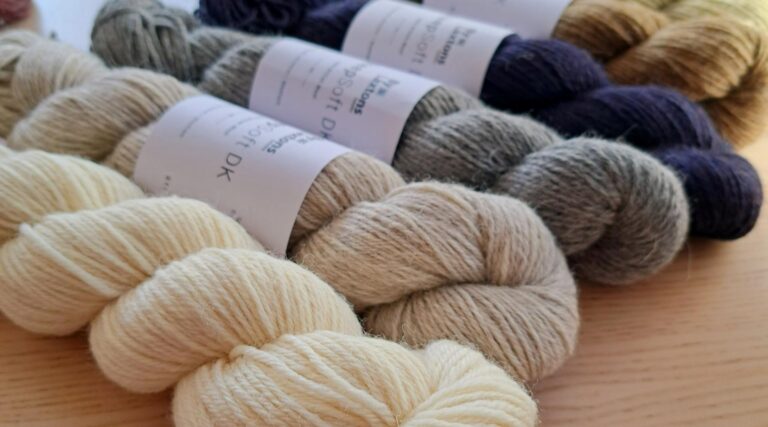
Yes, I’m obviously invested and biased, but I honestly do believe that once you go wool, it’s seriously hard to go back. It feels nice to knit with, it blocks like a dream, and it’s hella practical to boot. There’s also a wool out there to suit everyone, from the super soft cashmere and smooth merinos like Lang Merino 120 to the more rustic Jamieson’s of Shetland Spindrift.
Is wool the best choice for every single knitting project? Probs not. Different fibres have their benefits, and there’s a time and a place for that machine-washable acrylic or drapey bamboo/cotton blend, but generally speaking, for me, wool wins every time.
If you’ve never knitted with wool before, I’d really encourage you to give it a go. Have a browse at all the yarns we have to offer in our lovely Stonehaven knitting shop, explore all the different wool yarns and fibres from buttery soft merino to glorious Scottish wool… You never know, you might just find yourself becoming a complete woolly convert too.
To provide the best experience we use cookies to store and/or access information. Consenting will allow us to process data on this site. Not consenting may adversely affect certain features and functions.