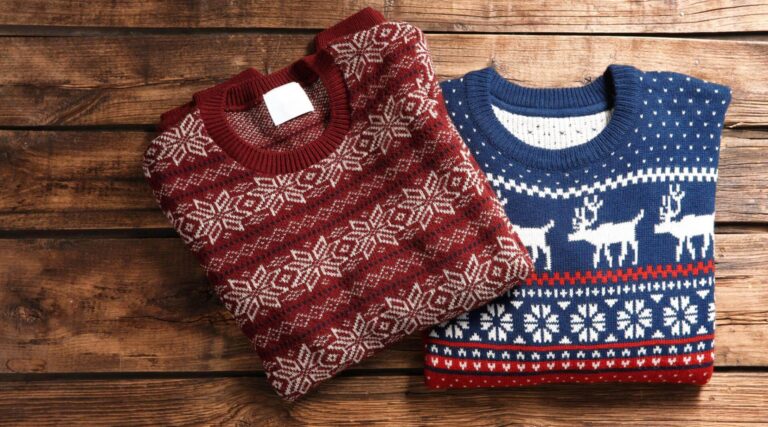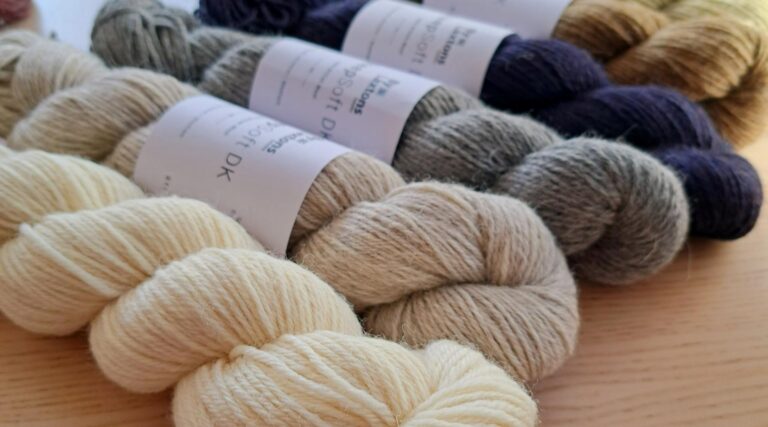

How often do you wash your handknits or wool sweaters? I’m not sure if I should be admitting this, but I barely ever wash mine. Maybe I’m lazy (maybe there’s no maybe about it), but they don’t smell and I haven’t dropped chilli down them (yet!). They’re grand.
That being said, we’re heading into summer which means most of our wool jumpers and handknit cardigans are about to be banished to the back of the wardrobe whilst we embrace lighter layers and the feeling of actual sunshine on our shoulders
Before that happens, though, I will be making the most of the warmer weather to give my fave handknits a quick wash and a good refresh, ready for when sweater weather comes around again.
If you’ve been wondering how to care for your wool knitwear properly and wash your handknit sweaters without ruining them, I’ve put together a bit of a knitwear care guide with everything you need to know to wash your handknits without ruining them. Hope it helps!
It might seem a bit counterintuitive to wash knitwear when you’re not planning to wear any of it for months, but summer is actually the perfect time to care for your handknits.
It makes sense, really. It’s too warm to be needing a proper wool jumper every day anyway, and all that glorious sunshine means you can lay everything out once it’s been washed and get it dry in no time at all. No one wants to be washing their handknit items in September when it’s starting to get cold again, and everything takes what feels like all winter to dry.
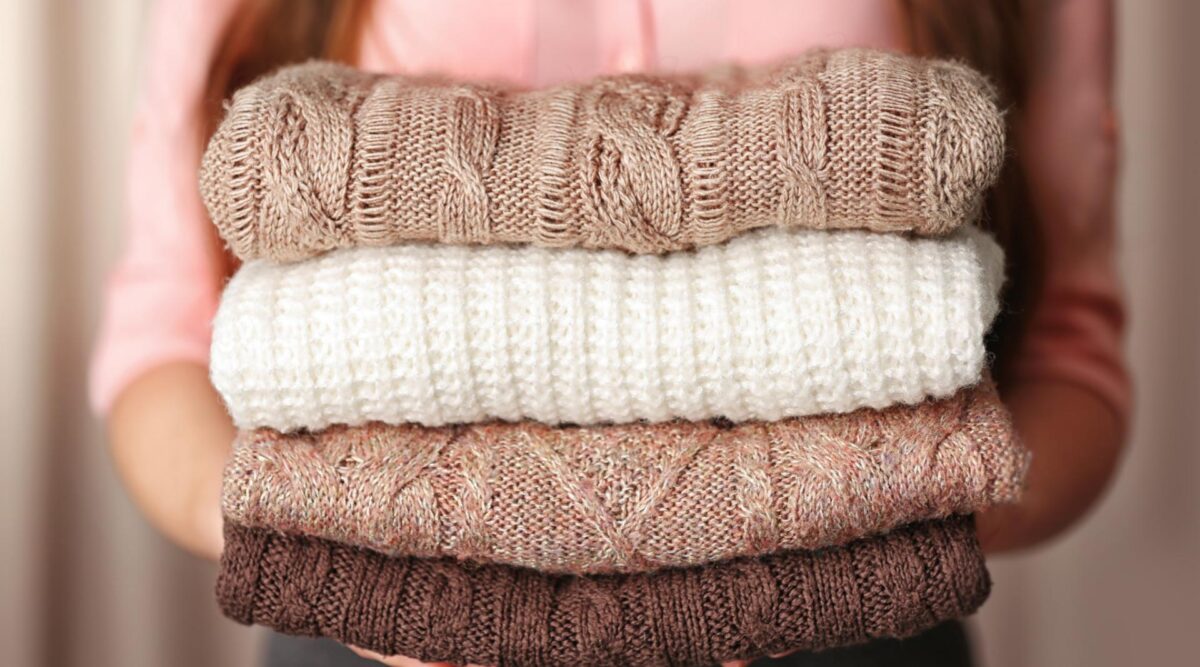
Despite what I tell myself, I’m not completely lazy when it comes to knitwear care – you don’t need to wash wool jumpers every week. Wool fibres naturally resist odours and dirt, which is one of the many reasons we love knitting with wool. A good hang outside for a few hours to freshen it up or a quick spot clean if you’re a bit of a messy eater (I may talk from experience here…) will keep your handknits clean and fresh enough.
However, all those body oils and bits of fluff and dust and stuff do build up over time so a proper wash once a year is probably a good habit to get into. Storing wool when it’s nice and clean also makes it waaay less appealing to moths, which is reason enough to give ‘em a soak on its own.
So grab all your lovely woollens and get ready to wash your handknits.
Unless your woollen jumper or cardi was made with a superwash wool, you really don’t want it anywhere near a washing machine. Handwashing wool is the best and safest way to care for your knitwear and takes less time than you’d think.
Here’s how to do it:
If you’re washing loads of handknit garments, you could also fill your bath. Make sure the water is lukewarm, not hot, and add a bit of wool wash or a mild detergent. We love Eucalan Delicate Wool Wash at Baa! It’s a gentle, non toxic solution made with essential oils that leaves your handknits squeaky clean and smelling fresh. There’s loadsa lovely scents to choose from (my fave is the Grapefruit), but they also have an unscented option if you prefer.
If you’re in a pinch, you could use some baby shampoo or something, but just make sure you avoid any standard bio-detergents as they can break down wool fibres and ruin your knits, which would be very, very sad.
Give the water a good swirl and add your knits.
Pop all your woollens into the water and gently press down until they’re fully saturated. Then just leave it to soak for 20-30 minutes or so. Go prep dinner, get a few rounds in of your current knitting project or do your food shop. Whatever you fancy. Just don’t agitate or scrub it while it soaks or you risk felting it, and we definitely don’t want that!
Once you’re back from Sainsbury’s or whatever, it’s time to give your knits a rinse. Eucalan is a nice and easy no-rinse formula, but if you’ve used another wool wash or detergent, you might need to rinse it. Drain all the soapy water and refill your sink with fresh water (at the same temperature to keep your knitwear happy). Gently press your knit through the water until the soap is gone – you might need to do this a couple of times.
Lift your handknit out of the water, making sure you’re supporting its full weight. Wet wool is surprisingly weighty and you don’t want to accidentally stretch it out of shape.
Gently squeeze out the excess water, but please please please never wring or twist your woollens. Treat it like the precious handknit it is and just go carefully.
Grab a big bath towel and lay out your knitwear on top, then roll the whole thing up like a swiss roll. I personally like to walk all over it at this point to squeeze out as much water as possible (a bit like squidging grapes to make wine, sort of), but I’ve also seen people rolling it up like a snail and then pressing down, and that works just as well.
Unroll to reveal a slightly damp but no longer dripping handknit.
It’s very important to dry your knitwear flat. Unless you want a weirdly shaped, stretched-out sweater, which I’m guessing you don’t.
Lay out your woolly item on a dry towel, gently reshape with your hands so it dries in the right sort of shape and leave it somewhere with good airflow. A nice shady spot outside is very nice if you’re lucky enough to have a garden, but a warm windowsill indoors works well too.
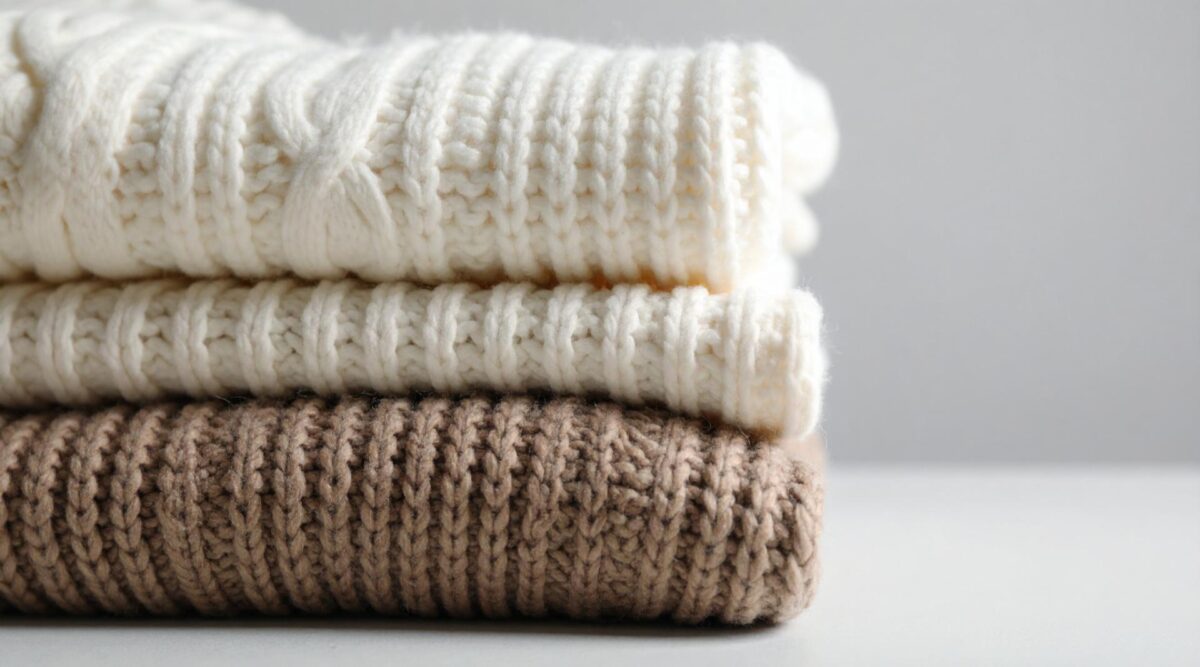
If your knit was made using a superwash wool, or the care label for your woolly sweater says it’s okay, then you can obviously chuck it in the machine. I would always recommend a wool cycle or the coldest setting you can, without fabric softener, just to be on the safe side. For a bit of extra protection, you can pop it in a mesh bag or something and, as with handwashing, always dry your knitwear flat when you take it out.
Personally, I’d handwash your handknits every time, but if a washing machine means your knitwear actually gets washed safely, that’s absolutely better than avoiding it altogether.
With the glorious summer sun that I’m optimistically manifesting (even in here in Stonehaven!), your knitwear shouldn’t take too long to dry. Give it a check before you put it away, especially if it’s a particularly chunky or woolly knit, as it could still be a bit damp in the middle even if the top is nice and dry.
Once your woollens are fully dry, you can stash them away. Always fold your knitwear rather than sticking them on a hanger so you don’t risk stretching out the shoulders and pop ‘em in a drawer. If you have them at home, a few cedar blocks or a lavender bag is nice to chuck in as a natural moth deterrent. The last thing you want is to pull out your fave sweater in October to find those little pests have been munching on your knits.
And that’s it!
I know, ‘wash your handknits’ ain’t the most exciting thing to be doing in the summer months, but a wee bit of effort now means your favourite handknit jumper or cosiest cardigan will be nice and fresh for future you to wear when it starts getting chilly out.
Of course, if you’ve got any questions before you wash your handknits or want to double check about washing a specific yarn, pop into the shop or drop us a message on our Instagram @baawool, we’re always happy to help.

To provide the best experience we use cookies to store and/or access information. Consenting will allow us to process data on this site. Not consenting may adversely affect certain features and functions.